Parent's guide
What Parents Should Know
A Parent's Guide to Spinal Cord Injury in Children, in plain language. Open any question to read more.
By the WeLIVE Healthcare team
What is spinal cord injury?
The spinal cord carries messages between the brain and the rest of the body. When it is injured, messages below that point may not get through completely. The level of the injury — how high up the spine it is — tells you a great deal about which parts of the body are affected. An injury in the neck affects far more of the body than one lower down, and it can also affect the muscles used for breathing and coughing.
Doctors often describe an injury as complete or incomplete. Incomplete means some signals still travel past the injury, which can mean some movement or some sensation is preserved, and the picture can be mixed — feeling without movement, or movement without feeling. What this means for daily life differs so much between children that comparison with anyone else's child is rarely useful.
How does it affect children day to day?
A spinal cord injury affects more than movement. Bladder and bowel function, skin sensation, blood pressure regulation and the body's ability to manage its own temperature can all be involved. Families usually learn a set of daily routines that protect against problems they cannot feel coming — skin checks, position changes, catheterization and bowel programs among them.
Children are not small adults in this, because they are still growing. Spine curvature, hip position, equipment fit and bone health are all things rehabilitation teams follow over time. Young people also want independence, privacy and a social life, and much of the work of the teenage years is finding ways to give them that alongside the care that still has to happen.
What do families often face at home?
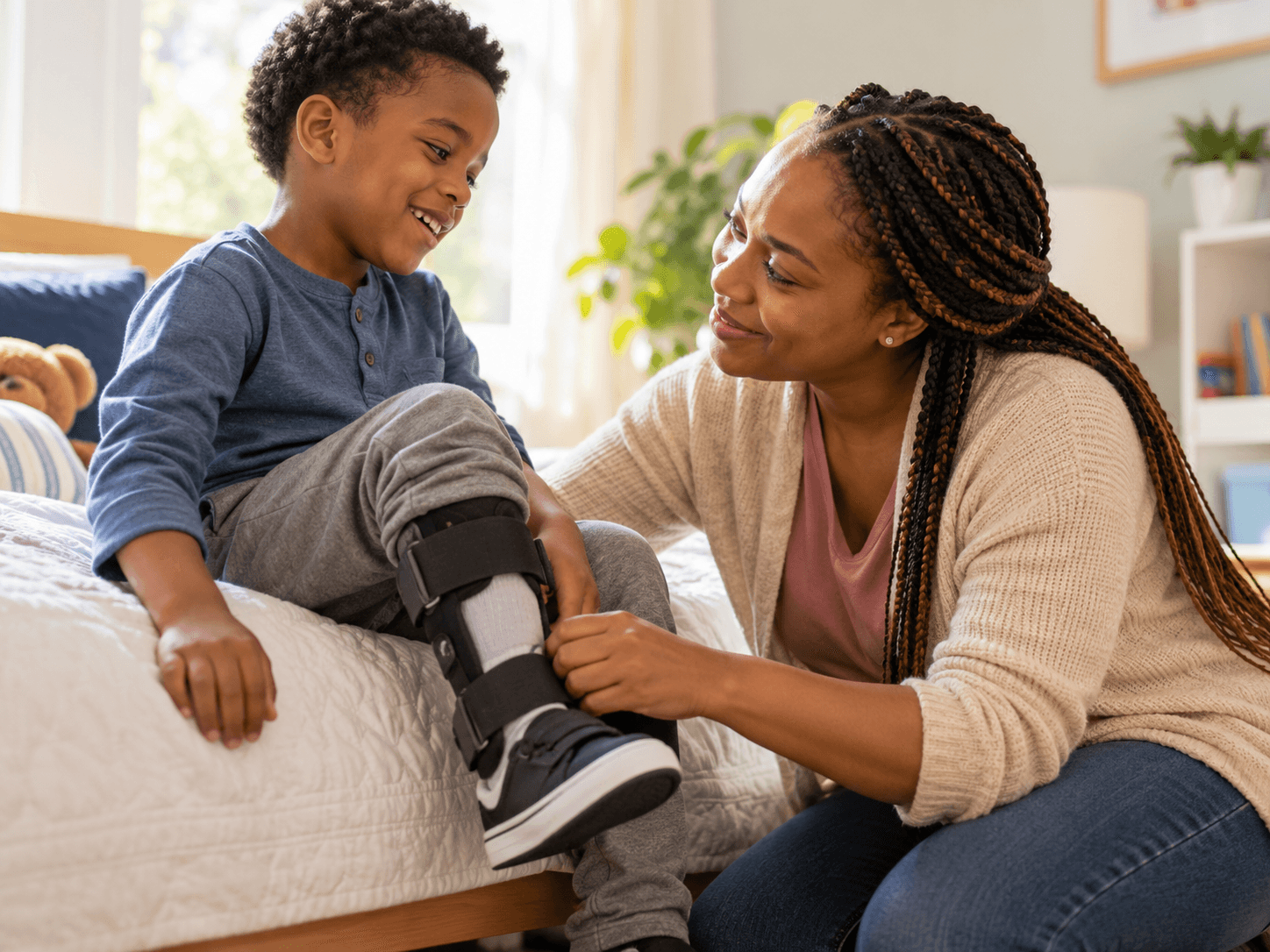
- Skin protection is relentless. Where a child cannot feel pressure, sitting too long, a wrinkle in clothing or a poorly fitting brace can cause a wound, and pressure injuries take a long time to heal and can interrupt school for months.
- Transfers require technique and often two people. Moving between bed, chair, shower and car safely — without hurting the child or the parent's back — is skilled work, and equipment like lifts takes space and training.
- Bladder and bowel routines are time-consuming and deeply private. They happen on a schedule regardless of where the family is, and they are a common reason families feel unable to travel or leave a child with anyone.
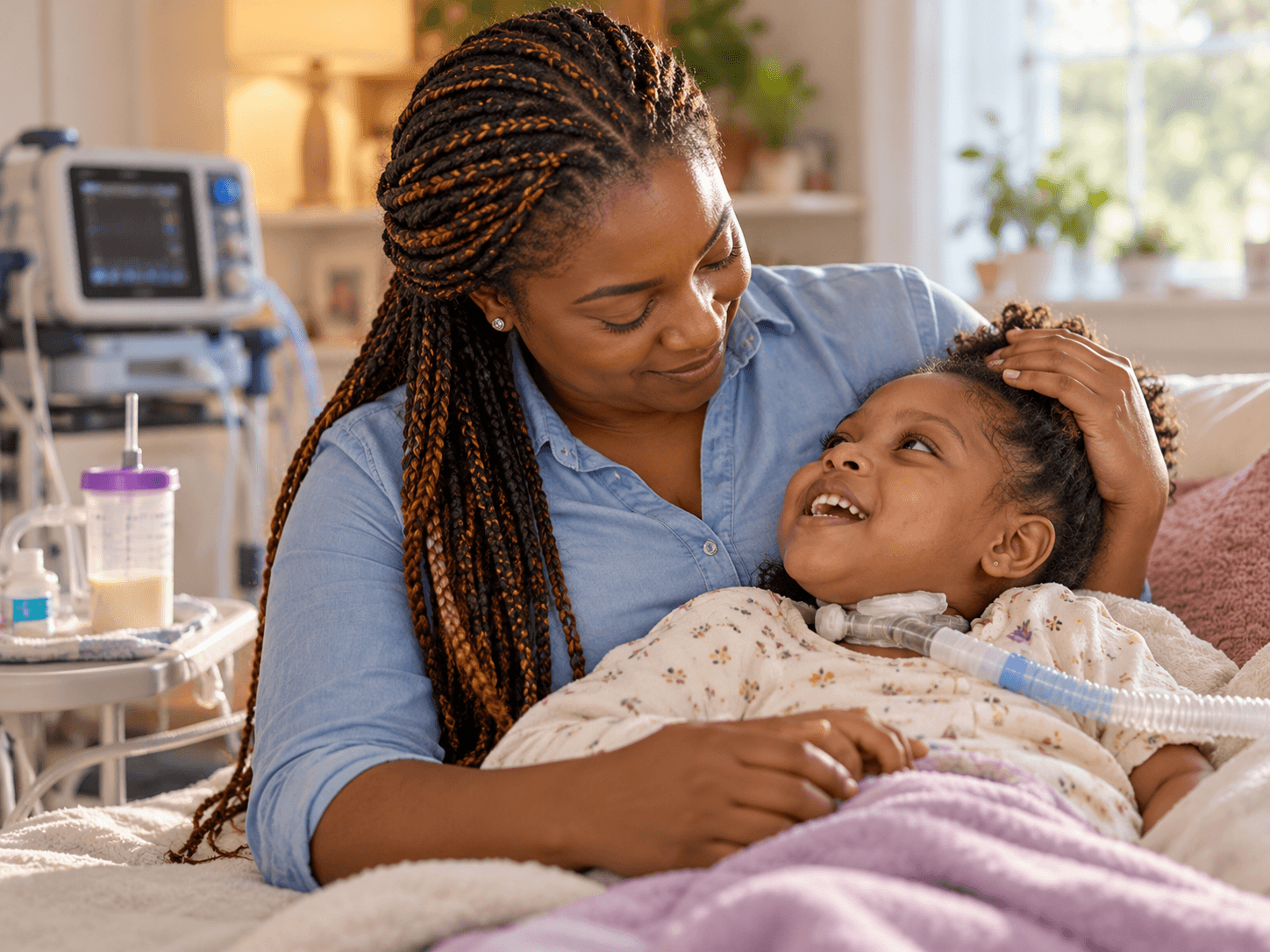
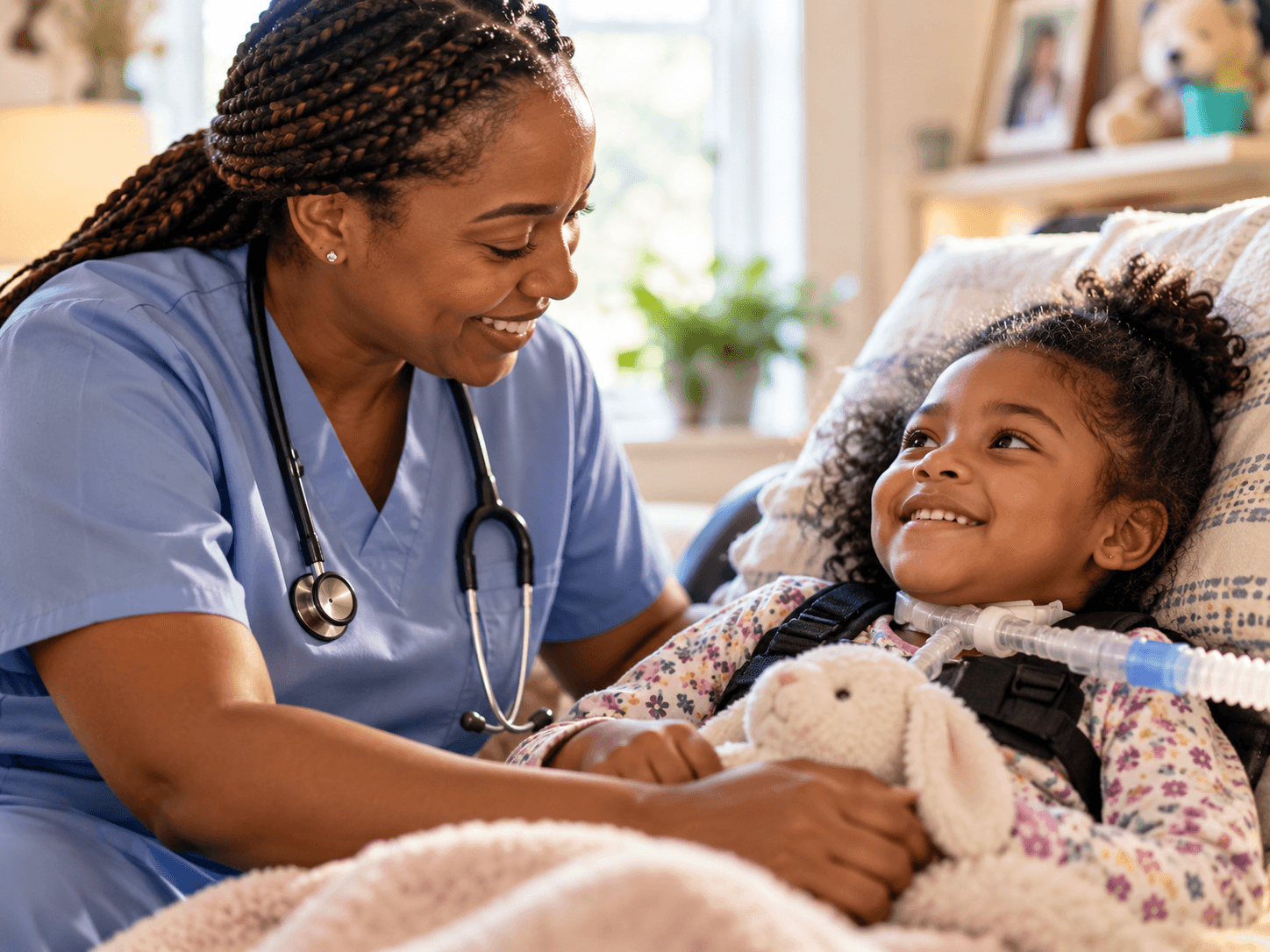
- Breathing can be affected in higher injuries. Weak coughing makes ordinary colds more serious, and some children need airway or ventilator support, which reshapes the household entirely.
- Homes and vehicles often need modification. Doorways, bathrooms, ramps and transport are expensive and slow to arrange, and families frequently spend a long period managing in a house that does not really work.
Does the level of injury tell us what to expect?
It gives a general picture of which parts of the body are affected, but it is not a script. Whether the injury is complete or incomplete matters a great deal, and children with the same level can have very different function. Your child's rehabilitation physician can explain what they see in your child rather than what the level suggests on paper.
Why is everyone so focused on skin?
Because the usual warning system is missing. Pain normally makes us shift position constantly without thinking about it, and where sensation is reduced that does not happen. A pressure injury can start quietly and then take months to heal, so families are taught to check skin regularly and to change position on a schedule rather than waiting for a reason.
Can my child still go to a regular school?
Many young people with spinal cord injuries attend their local school with accommodations covering access, transfers, bathroom routines, equipment and sometimes nursing support during the day. What is needed is individual, and it is worth starting the school conversation early because access changes and staffing take time to arrange.
What kind of help is available at home?
Families commonly ask about support with transfers and positioning, personal care, bowel and bladder routines, skin monitoring, and respiratory care where breathing is affected. What is actually authorized depends on your child's physician orders and the program's review of medical necessity. We can describe how that support usually works in a home, but we cannot promise any particular outcome for your family.