
Parent's guide
What Parents Should Know
A Parent's Guide to Spina Bifida in Children, in plain language. Open any question to read more.
By the WeLIVE Healthcare team
What is spina bifida?
Spina bifida happens very early in pregnancy, when the spine and the tissue around it do not close completely. It is not caused by anything a parent did or failed to do. How much it affects a child depends largely on where along the spine the opening was and what nerve signals travel past it. A difference low on the spine often affects a child very differently from one higher up.
Below the level of the opening, messages between the brain and the body may not travel the way they usually would. That can affect how a child's legs move, how much a child can feel, and how the bladder and bowel empty. Loss of sensation matters more than families expect — a child who cannot feel a blister, a too-hot bath or a seam pressing into skin can be injured without knowing, so checking skin becomes part of daily life.
How does it affect children day to day?
Many children with spina bifida also have extra fluid around the brain, and some have a shunt or another procedure to manage it. Some children have differences in the way the lower spinal cord is tethered, which their neurosurgeon watches over time. These are separate things to keep track of, and they are usually followed by different specialists, which is part of why the appointment load is heavy.
Children with spina bifida grow up, go to school, have opinions and want independence like anyone else. Many manage their own routines over time with the right equipment and a plan they helped build. Building that independence, and handing pieces of care over as a child is ready, is something families often think about long before the teenage years arrive.
What do families often face at home?
- Bladder and bowel routines run the day. Catheterization schedules and bowel programs take time, have to happen wherever the family is, and need doing carefully every single time — and they are private in a way that makes asking for help awkward.
- Skin is a constant worry. Where a child cannot feel pressure, a red mark can become a serious wound quietly, so families build in skin checks, repositioning and careful attention to braces, shoes and seating.
- Equipment changes as a child grows. Braces, walkers, wheelchairs and bathroom adaptations all need refitting, funding and space, and a home that worked last year may not work now.
- Watching for shunt problems never really stops for families whose child has one. Headaches, vomiting, unusual sleepiness or a change in personality all have to be taken seriously, which means a lot of judgment calls about when to go in.
- Privacy and independence become a real tension as children get older. A teenager who needs help with intimate care may push back hard, and finding people a young person is comfortable with is not always easy.
Will my child walk?
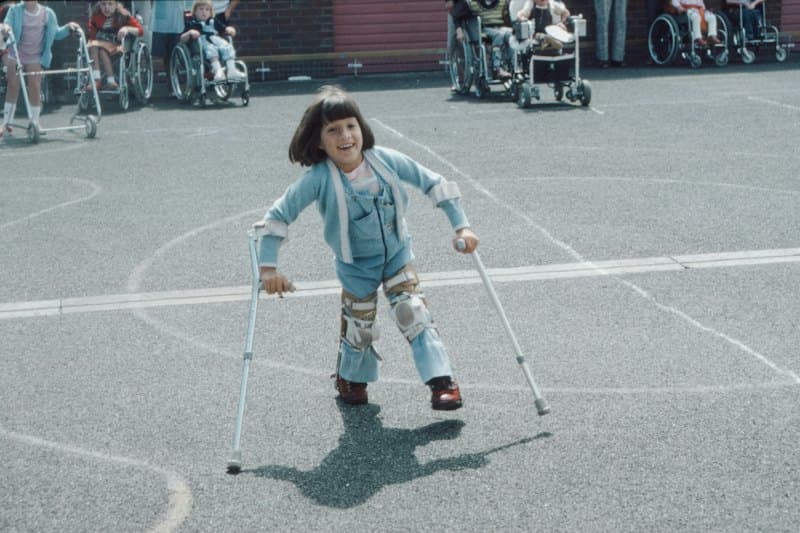
It varies a great deal, and the level of the spine involved is a big part of it. Some children walk without help, some walk with braces or a walker, and some use a wheelchair for all or part of the day. Your child's neurosurgeon and physical therapist are the ones who can speak to your child specifically, and many families find the answer becomes clearer with time rather than at diagnosis.
Why does skin care come up so often?
Because sensation may be reduced below the level of the spinal difference, so the usual warning system — it hurts, so I move — may not fire. Pressure, heat and friction can cause damage before anyone notices. Families are often taught to build a quick daily check into an existing routine like bath time, so it is not one more separate task to remember.
Can someone help with catheterization at home?
It is a common reason families look into skilled nursing at home, particularly during the school day or when a parent is working. Whether it is ordered, and how much support is authorized, is determined by your child's physician and the reviewing program. We can describe what that support looks like in practice, but the outcome of any request is not something we can predict.
How do I start handing routines over to my child?
Many families do it in small pieces — a child gathers supplies before they ever do a step themselves, then does one step with a parent watching, and so on over months or years. Your child's urology and rehabilitation teams usually have a view on readiness. There is no schedule everyone follows, and going at your child's pace tends to work better than going at the calendar's.