
Parent's guide
What Parents Should Know
A Parent's Guide to Neuromuscular Disorders in Children, in plain language. Open any question to read more.
By the WeLIVE Healthcare team
What is neuromuscular disorders?
Neuromuscular disorder is a broad term for conditions affecting the nerves that carry movement signals, the muscles that receive them, or the junction where the two meet. Because the problem can sit at any point along that chain, the conditions grouped here behave very differently. Some are present from birth, some appear later, some are inherited and some are not.
What these conditions tend to share is weakness and fatigue, though where and how much varies enormously. Some children tire as the day goes on and are strongest in the morning. Others have weakness that is steady, or that affects specific muscle groups such as the face, eyes, neck or hips. Families often notice fatigue long before anyone measures it.
How does it affect children day to day?
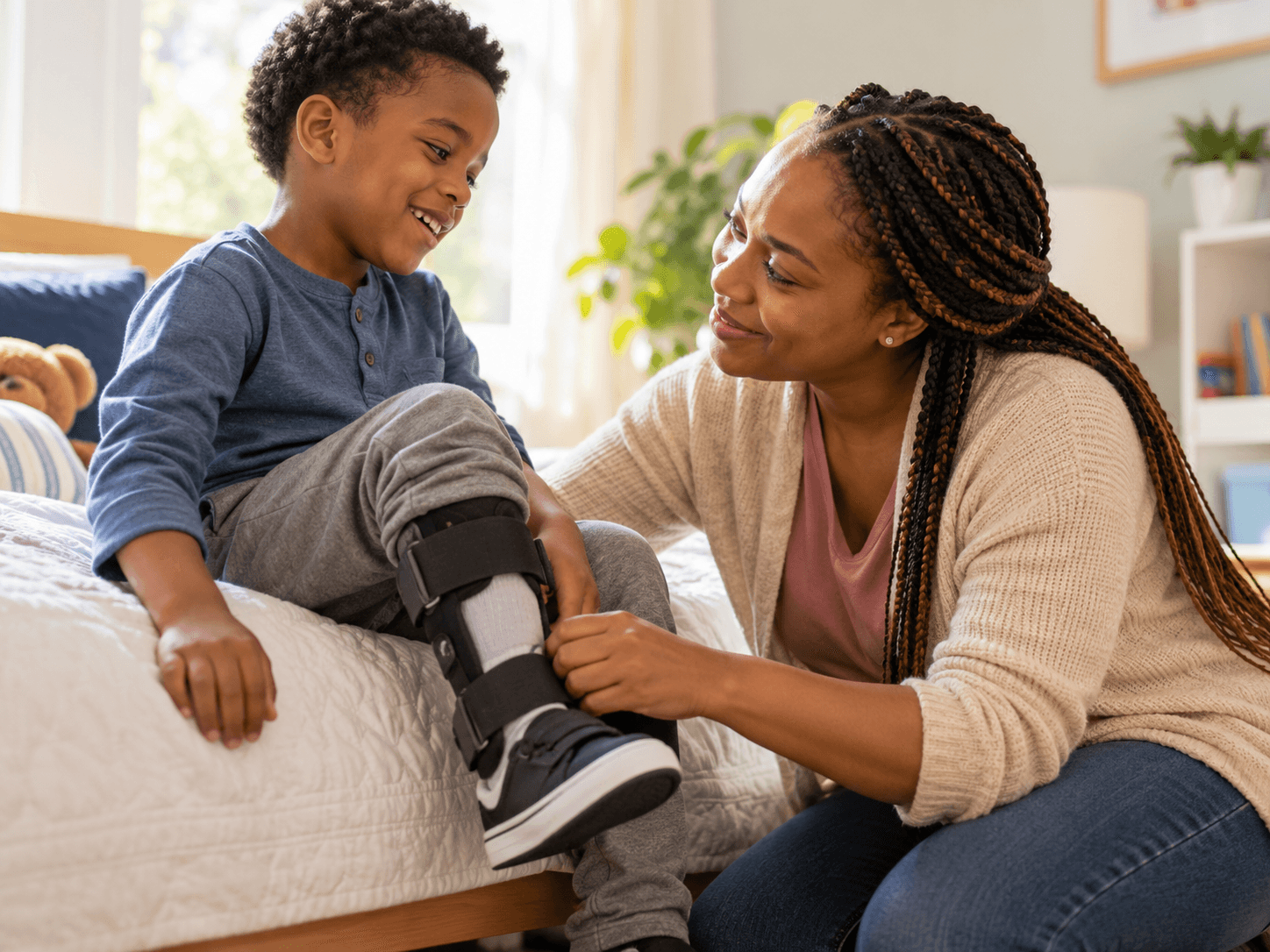
Many families spend a long stretch without a precise diagnosis, moving through appointments and tests while their child clearly needs support now. That period is exhausting and isolating. It is worth knowing that care can be organized around what a child needs functionally — help with movement, breathing, eating, energy — without waiting for the name of the condition to arrive.
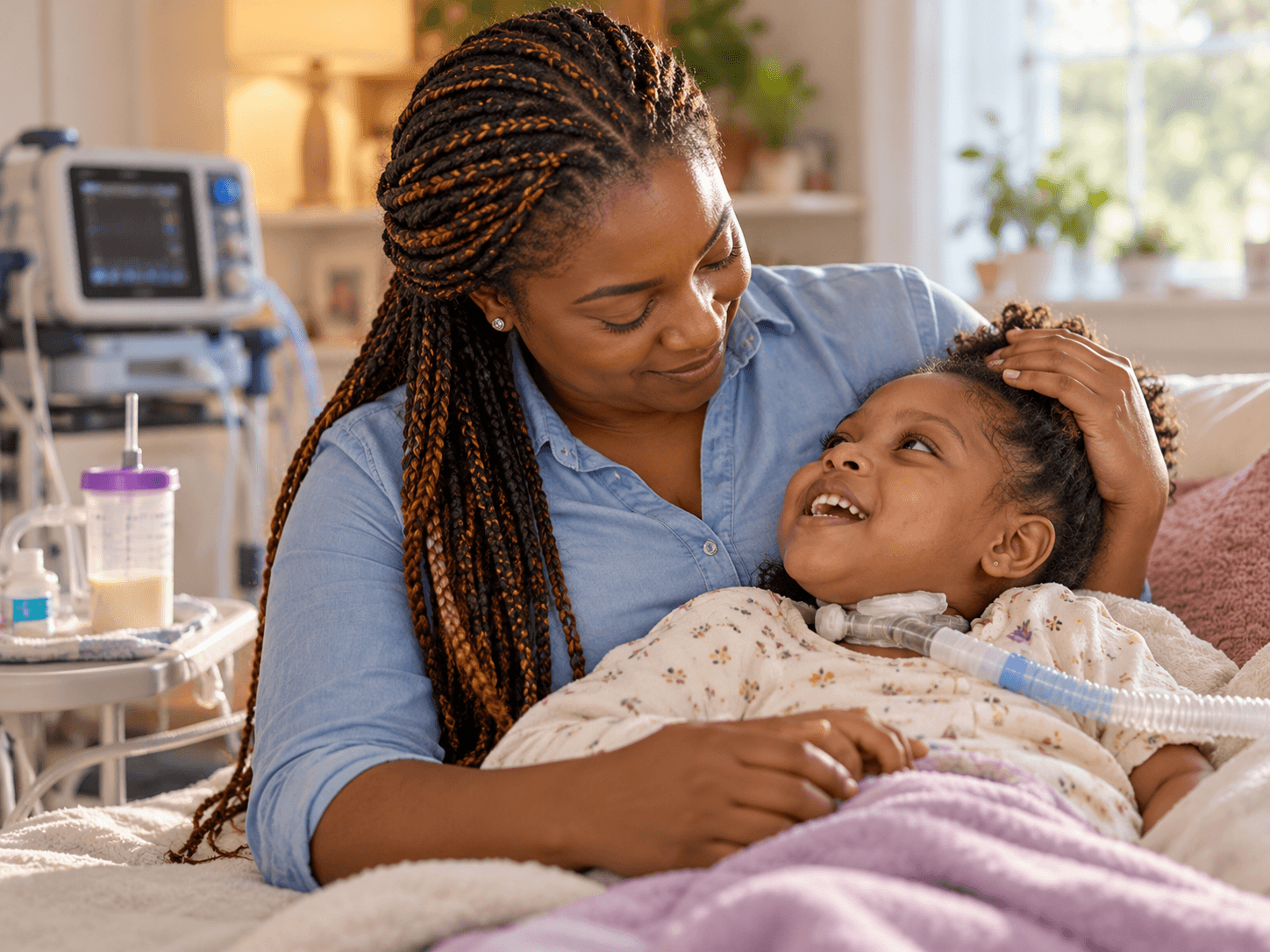
Breathing and swallowing muscles can be involved in many neuromuscular conditions, and this is often monitored even when a child seems well. Nighttime breathing, cough strength and safe eating are usually followed over time, because changes in these areas can be gradual and easy to miss at home until they are significant. Families are sometimes puzzled by breathing tests for a child who is not short of breath, and this is a large part of why they are done. Your child's team can explain what they are tracking and what would lead them to suggest support.
What do families often face at home?
- Energy has to be budgeted. School, therapy, family life and rest compete for a limited supply, and parents are constantly making trade-offs that other families never have to think about.
- Weakness that fluctuates is hard for other people to believe. A child who manages something in the morning and cannot at four o'clock is sometimes accused of not trying, at school and even within families.
- Nights need watching where breathing is affected. Monitoring, non-invasive support and equipment alarms disrupt everyone's sleep, and parents rarely get uninterrupted rest for long periods.
- Undiagnosed or rare conditions make everything administratively harder. Referrals, school support and funding requests all move more slowly when a form has no diagnosis to write on it.
- Care needs cross several specialties at once — neurology, pulmonology, feeding, orthopedics — and no one but the parent sees the whole child.
We still do not have a diagnosis. Can anything move forward?
Often, yes. Much of what a child needs — therapy, equipment, school support, help at home — is organized around what the child can and cannot do rather than around a diagnosis code. Ask your team to document function and care needs clearly while the diagnostic work continues, because that documentation is what most processes actually rely on.
Why is my child so much weaker in the evening?
Fatigue that builds through the day is a recognized pattern in a number of neuromuscular conditions, and it is real rather than a matter of motivation. It is worth recording when weakness is worst and what it affects, and bringing that to your neurologist. It can also be worth sharing with school, so demanding activities are not all scheduled late in the day.
Why do they keep checking breathing when my child seems fine?
Because breathing muscles can weaken gradually, and the earliest signs often show up during sleep — poor quality rest, morning headaches, daytime tiredness — before anything is noticeable in the daytime. Monitoring is how teams get ahead of that rather than meeting it in an emergency. Your pulmonary team can explain what they are testing and why.