
Parent's guide
What Parents Should Know
A Parent's Guide to Chronic Lung Disease in Children, in plain language. Open any question to read more.
By the WeLIVE Healthcare team
What is chronic lung disease?
Chronic lung disease in children most often follows a very early birth, when lungs that were still developing had to do the work of breathing before they were ready. Support that keeps a baby alive can also be hard on delicate lung tissue, and the result is lungs that need more time and more help. It is not a sign that anything was done wrong in the hospital.
Children's lungs continue growing for years, and many children improve as they grow. That does not mean the early period is easy. For some children breathing simply takes more work — faster breathing, more effort, more calories burned just keeping up — and that shows in feeding, weight gain and energy levels long before it shows on any test.
How does it affect children day to day?
Some children come home on oxygen, and families often find this is the part they worry about most and adapt to fastest. Tubing, tanks or a concentrator, monitors and a plan for outings become ordinary quite quickly. Many children use oxygen only at night or during feeds, and changes to that are always made by the medical team rather than at home.
Ordinary respiratory infections are not ordinary for these children. A virus that gives another child a runny nose can mean increased oxygen need, hospital admission or worse, which is why families are often careful about visitors, crowds and winter in a way that others find excessive. It is not overprotection; it is the pattern they have already lived through.
What do families often face at home?
- Oxygen equipment reorganizes the house. Tubing across floors, tank deliveries, portable supplies for every outing and a plan for power cuts all have to be managed alongside normal life with a baby or toddler.
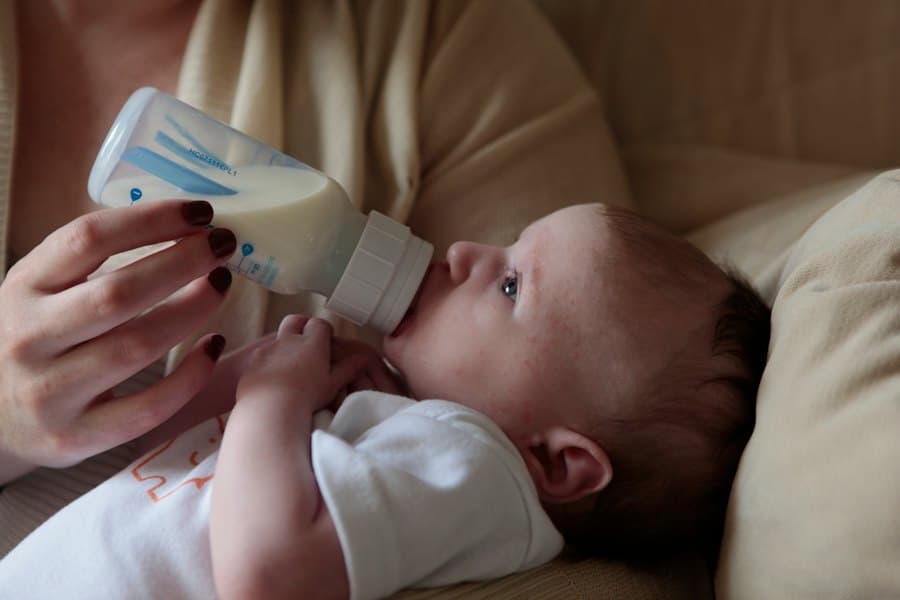
- Feeding and breathing compete. Babies who work hard to breathe tire during feeds and burn extra calories, so growth can become a constant worry and feeding can take much longer than it should.
- Winter shrinks the world. Many families limit visitors and outings during respiratory virus season, which is isolating and often has to be explained repeatedly to relatives who feel shut out.
- Monitors disturb sleep for everyone. Alarms that turn out to be nothing still wake the household, and parents learn to jump awake at a sound for years.
- Small changes in breathing require judgment. Deciding whether a slightly faster breathing rate is worth a call is a daily assessment parents make without a stethoscope or a second opinion.
Will my child outgrow this?
Lungs keep growing through childhood, and many children need less support over time. How much and how quickly differs a great deal, and some children continue to be more affected by respiratory illness for years. Your child's pulmonologist is the person who can speak to your child's trajectory rather than the general pattern.
Can we adjust the oxygen ourselves if my child seems fine?
No — oxygen is prescribed, and changes should only be made by the team that ordered it. Children can look comfortable while their oxygen levels are lower than they should be, which is exactly why the settings are set by measurement rather than appearance. If you think the current setting is not right, call the team; they would rather hear from you.
How careful do we really need to be in winter?
Ask your pulmonary team for guidance specific to your child, because the answer varies. Families are commonly advised about hand hygiene, keeping unwell visitors away and being thoughtful about crowded indoor settings during virus season. Having that advice in writing from your team also helps when relatives think you are overreacting.
Why is weight gain such a focus?
Because breathing harder uses energy, so a child may need more calories than usual while also tiring during feeds. Growth is one of the clearest signs of how a child is really doing. If feeding is taking a long time or your child is not gaining, tell the team early rather than waiting for the next scheduled visit.